
 ✓
✓
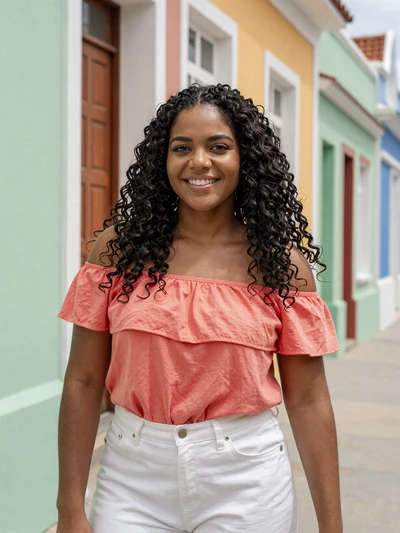
Shaneika, 26
Willemstad, Curaçao
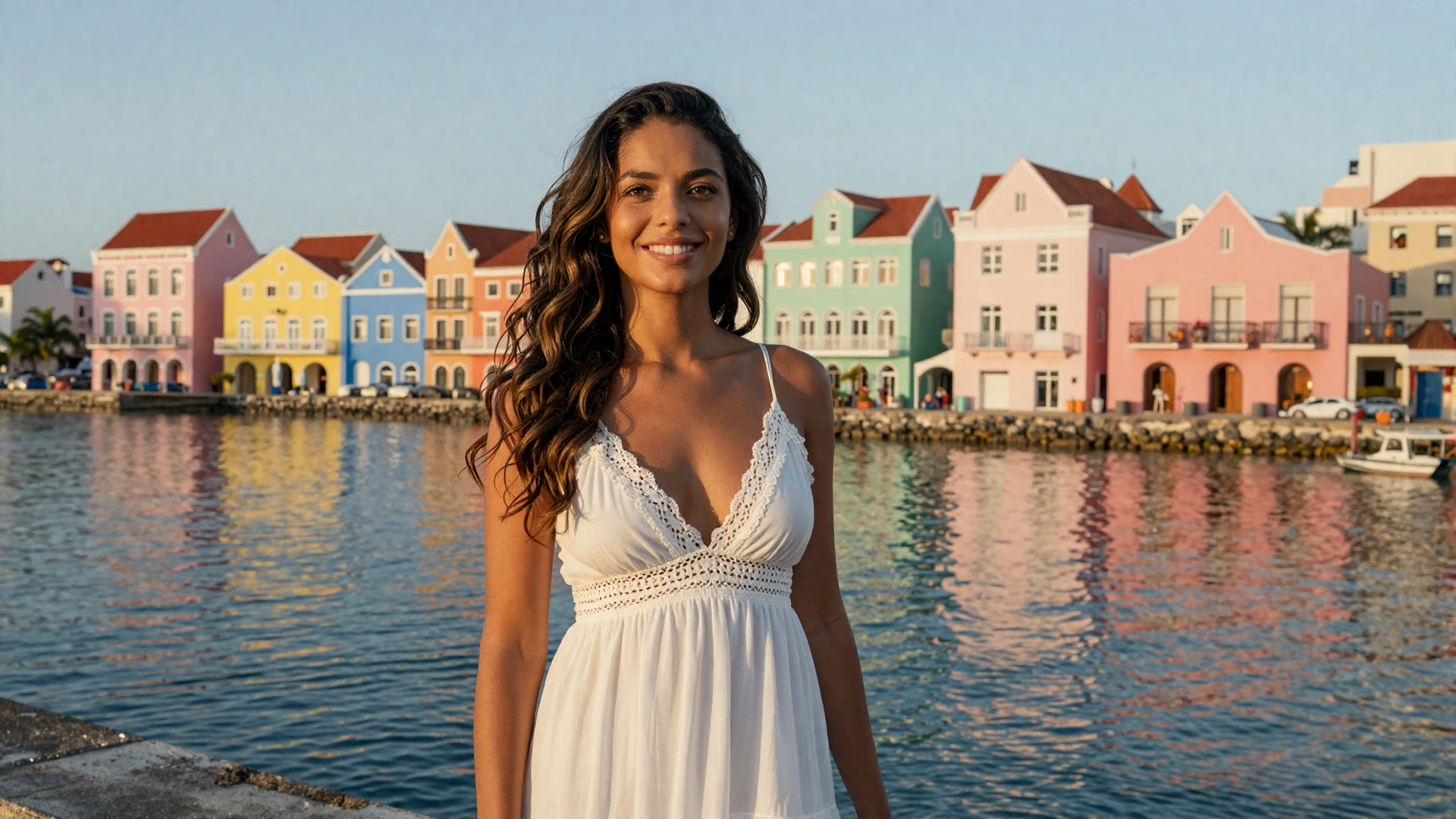
Date enchanting Dutch Antillean women - where European sophistication meets Caribbean fire. Discover multicultural beauties from Curaçao, Aruba, and Bonaire who speak four languages and love with island warmth.
Dutch Antillean women dating opens a door to one of the most unique romantic experiences in the entire Caribbean. The former Netherlands Antilles - comprising Curaçao, Aruba, Bonaire, Sint Maarten, Saba, and Sint Eustatius - have produced women who blend European refinement with Caribbean warmth in a way no other island culture can match. If you're an American man tired of one-dimensional dating and craving a partner who carries the elegance of Amsterdam, the passion of the tropics, and the multilingual sophistication of a global citizen, these islands are where you'll find her.
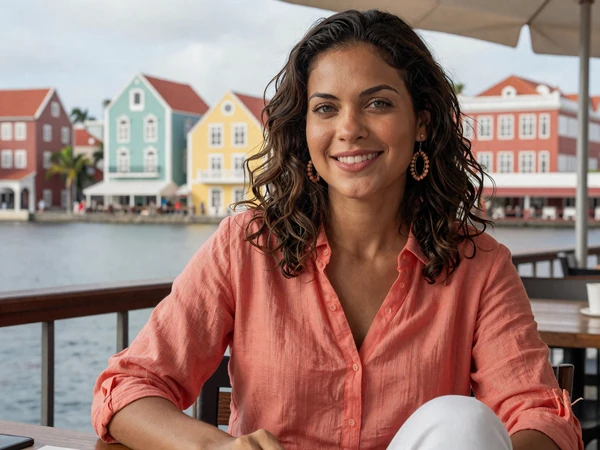
What sets Dutch Antillean women apart from other Caribbean women? The answer lies in a cultural cocktail unlike anything else in the Western Hemisphere. These islands were colonized by the Dutch in the 17th century, attracting waves of African, Sephardic Jewish, South American, Asian, and European settlers. The result is a genuinely multicultural population where women might have African, Dutch, Venezuelan, Portuguese, and indigenous Arawak ancestry flowing through their veins - and they celebrate every strand. Unlike more homogeneous island cultures, Dutch Antillean women grow up navigating multiple cultural identities simultaneously, making them exceptionally adaptable partners for American men entering cross-cultural relationships.
Here are the key traits that make Dutch Antillean women stand out in international dating:
The women of the Dutch Antilles share a Caribbean foundation with Trinidadian women and Puerto Rican women, but the Dutch colonial influence gives them a distinctly European edge. Where Trinidad draws from British traditions and Puerto Rico from American culture, the Dutch Antilles weave in Continental European norms - a focus on well-organized social life, clean aesthetic sensibility, liberal social attitudes, and an appreciation for arts and design. This makes Dutch Antillean women a fascinating choice for American men who want Caribbean passion without sacrificing the cosmopolitan energy of a European partner.
Geographically, Curaçao and Aruba sit just 40 miles off the Venezuelan coast, which means South American influences - from Colombian and Venezuelan culture - flow freely into the islands. Many Dutch Antillean women have Venezuelan family members, and cross-border connections remain strong. The result is a dating culture that combines Dutch directness with Latin warmth, Afro-Caribbean expressiveness, and South American femininity - truly the best of every world.
The Dutch Antilles occupy a cultural space that exists nowhere else on earth. Curaçao, the most populous island with roughly 150,000 people, is a UNESCO World Heritage site thanks to Willemstad's iconic pastel-colored Handelskade waterfront - a visual testament to the fusion of Dutch architecture and Caribbean color. Aruba, home to about 110,000 residents, is the most tourism-oriented island and has developed a cosmopolitan, internationally minded population. Bonaire, the quietest of the ABC islands, retains a more traditional Antillean character with deep connections to the sea and nature.
For women growing up in this environment, the cultural imprint is remarkable. A typical Dutch Antillean woman might attend a school where classes are taught in Dutch and Papiamento, watch Venezuelan telenovelas with her grandmother, listen to tumba music during Carnival season, vacation in Amsterdam visiting relatives, and communicate with friends in English on social media. This four-language, multi-cultural fluency doesn't just make her an interesting conversationalist - it makes her an exceptionally adaptable partner who can navigate any social environment with confidence.
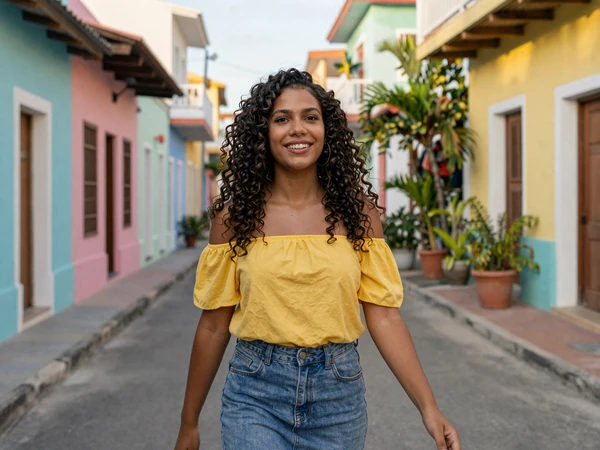
Like their Trinidadian and Brazilian counterparts, Dutch Antillean women live for Carnival - but Antillean Carnival has its own unique flavor. Curaçao's Carnival season begins in January and climaxes with the Grand March on the Sunday before Ash Wednesday. Tumba - a uniquely Curaçaoan musical genre blending African rhythms, Latin melodies, and Papiamento lyrics - provides the heartbeat of the festivities. The Tumba Festival, where musicians compete for the year's official Carnival song, is a cultural event that unites the entire island.
Aruba's Carnival is similarly massive, featuring months of parades, music competitions, and community events. The Grand Parade in Oranjestad draws thousands of costumed participants and is considered one of the biggest Carnival celebrations in the Caribbean. For Dutch Antillean women, Carnival is a time of creative self-expression - designing costumes, perfecting dance routines, and celebrating community. A woman who participates in Carnival embodies confidence, creativity, and an infectious joy that carries into every aspect of her life, including her romantic relationships.
Perhaps the most remarkable characteristic of Dutch Antillean women is their linguistic range. Papiamento (called Papiamentu in Aruba) is the native Creole language - a fascinating blend of Portuguese, Spanish, Dutch, and African languages that evolved on the islands over centuries. Dutch is the official administrative language and the primary language of formal education. Spanish flows freely thanks to geographic proximity to Venezuela and Colombia. And English is widely spoken due to tourism, American media, and the presence of the U.S. military on some islands during the 20th century.
This multilingualism means that when you date a Dutch Antillean woman, the language barrier - a major concern for men pursuing relationships with women from countries like Colombia or Brazil - simply doesn't exist. She can switch seamlessly between English for your conversations, Spanish when you're traveling together in Latin America, Dutch when communicating with European institutions, and Papiamento when sharing intimate cultural moments with her family. For American men, this means deeper conversations, fewer miscommunications, and a smoother integration into her world.
The Dutch connection brings something tangible to the Antillean islands: European-standard infrastructure, healthcare, education, and governance. Curaçao and Aruba, as constituent countries within the Kingdom of the Netherlands, operate with Dutch legal frameworks and social safety nets. This means Dutch Antillean women grow up in a society with strong rule of law, quality public education, universal healthcare, and social protections that create a stable foundation for life planning.
The practical impact on dating is significant. Dutch Antillean women tend to be well-educated - many pursue higher education in the Netherlands, returning to the islands with degrees from Dutch universities. They're accustomed to European work-life balance norms, progressive social attitudes, and gender equality. Yet they retain the Caribbean warmth, expressiveness, and family orientation that distinguishes them from their Continental European counterparts. For an American man, this means finding a partner who combines the reliability and organization you'd expect from a Northern European with the passion and affection of a Caribbean islander.
| Cultural Aspect | Dutch Antillean Women | What It Means for Dating |
|---|---|---|
| Languages Spoken | Papiamento, Dutch, English, Spanish | Zero language barrier, multilingual household |
| Ethnic Heritage | African, Dutch, Sephardic Jewish, Venezuelan, Indigenous mix | Striking multicultural beauty and open-minded worldview |
| Family Structure | Extended family (famia) with matriarchal influence | Strong loyalty, nurturing nature, close-knit support |
| Education System | Dutch-standard schooling, many study in Netherlands | Well-educated, worldly, professionally ambitious |
| Culinary Traditions | Karni stobá, funchi, keshi yena, Dutch-Caribbean fusion | Incredible home cooking blending Caribbean and European flavors |
While Dutch Antillean women speak excellent English, nothing melts an Antillean heart faster than hearing a man try Papiamento. Start with basics: "Bon dia" (good morning), "Kon ta bai?" (how are you?), "Dushi" (sweetheart/sweet - the most important word in Papiamento), and "Mi ta stimabo" (I love you). Papiamento is considered one of the most romantic-sounding Creole languages in the world, and even stumbling through a few phrases shows her you're investing in her culture. For more on bridging language gaps in Latin and Caribbean dating, check out our guide on learning languages for dating.
Don't make the mistake of treating a Dutch Antillean woman as "just Caribbean" or "basically European." She's both, and she's proud of it. Show interest in both sides of her heritage - ask about her experiences studying in Amsterdam just as eagerly as you ask about her favorite Carnival memory. She might discuss Dutch social politics one moment and break into a tumba dance the next. This cultural fluidity is her superpower, and appreciating it fully is the key to winning her heart.
Dutch Antillean society - particularly in Curaçao - has strong matriarchal traditions. Grandmothers and mothers often serve as the central authority figures in families. When you meet her mama or wela (grandmother), bring a thoughtful gift and show deep respect. These women have raised families through economic challenges and political changes, and they command genuine reverence. Winning the approval of the matriarch is often more important than impressing her father. Take time, be genuine, and let the older women in her family see your character - they'll be watching closely.
Curaçao and Aruba are among the most accessible Caribbean destinations for Americans - direct flights operate from Miami, New York, Atlanta, and Houston, with flight times under 5 hours. No visa is required for U.S. citizens staying under 90 days. The islands offer excellent tourism infrastructure with world-class hotels, restaurants, and beaches. Plan your first trip for at least 7 days to experience both the tourist attractions and the real island life. For practical guidance on planning a dating trip to Latin America and the Caribbean, read our first trip guide.
Life in the Dutch Antilles moves at a gentler pace than in the United States. "Island time" is real, and your Antillean girlfriend may not share your American urgency about schedules. At the same time, Dutch Antillean women respect ambition and work ethic - the Dutch influence ensures they value productivity and planning alongside Caribbean relaxation. The winning combination is showing her you're a driven, successful man who can also slow down, enjoy a sundowner cocktail, and savor the moment without checking your phone every five minutes.
Dutch Antillean women inherit the famous Dutch directness - they appreciate honesty and straightforwardness above all. If you're looking for a serious relationship, say it clearly from the beginning. If you're interested in eventually bringing her to the United States, discuss it openly. Playing games or being vague about your intentions won't work with these women - they value authenticity and will reciprocate with equal honesty. Our K-1 visa guide can help you understand the fiancée visa process for Caribbean brides.
If you appreciate the directness and multicultural sophistication of Dutch Antillean women, you may also enjoy connecting with Puerto Rican women, who share a similar blend of Caribbean culture and American/European influence, or Colombian women, whose South American warmth resonates with Antillean romance.
Dutch Antillean women are arguably the most culturally pre-adapted partners for international relationships in the entire Caribbean. Growing up at the crossroads of European, Caribbean, and South American cultures - while consuming American media and entertainment - means they already understand Western values, humor, and social expectations. Many have traveled to the Netherlands, other European countries, and the United States before they're 25. The culture shock that can challenge relationships with women from more isolated Latin American countries is virtually nonexistent with Antillean women.
Curaçao and Aruba have among the highest GDP per capita in the Caribbean, and Dutch social norms emphasize female financial independence. Dutch Antillean women typically work in tourism, finance, government, healthcare, or entrepreneurship. They seek a partner - not a provider. This means your relationship will be built on genuine emotional connection rather than economic dependency, which creates a healthier foundation for long-term happiness. She'll contribute to your household financially and expect to be treated as an equal decision-maker.
Despite their European education and global outlook, Dutch Antillean women retain the Caribbean warmth that makes island women such beloved partners. The Papiamento word "dushi" - which means sweet, lovely, or darling - captures the Antillean approach to love perfectly. Affection is expressed freely and frequently. Physical touch, verbal compliments, cooking for loved ones, and creating a warm home environment are all deeply ingrained in Antillean feminine culture. American men consistently report that Dutch Antillean women make them feel genuinely appreciated and loved in ways they hadn't experienced before.
Ready to discover Dutch Antillean romance? Our platform features verified women from Willemstad, Oranjestad, Kralendijk, and Philipsburg who are actively seeking meaningful relationships with American men. Create your free profile to start browsing Dutch Antillean singles today.
✓
Willemstad, Curaçao
 ✓
✓
Oranjestad, Aruba
 ✓
✓
Willemstad, Curaçao
 ✓
✓
Kralendijk, Bonaire
 ✓
✓
Willemstad, Curaçao
 ✓
✓
Oranjestad, Aruba
 ✓
✓
Philipsburg, Sint Maarten
 ✓
✓
Willemstad, Curaçao
The former Netherlands Antilles includes Curaçao, Aruba, Bonaire (the ABC islands), Sint Maarten, Saba, and Sint Eustatius. Today, Curaçao, Aruba, and Sint Maarten are constituent countries within the Kingdom of the Netherlands, while Bonaire, Saba, and Sint Eustatius are special municipalities. Our platform features verified profiles from all these islands, with the largest number of women from Curaçao and Aruba.
Most Dutch Antillean women speak four languages: Papiamento (the native Creole language), Dutch (the official administrative language), English (widely spoken due to tourism and media), and Spanish (due to geographic proximity to Venezuela and Colombia). This multilingual ability means you can communicate in English from day one, and she can seamlessly integrate into an English-speaking environment in the United States.
No. U.S. citizens do not need a visa to visit Curaçao, Aruba, Bonaire, or Sint Maarten for stays of up to 90 days. You only need a valid U.S. passport. Direct flights operate from Miami, New York JFK, Atlanta, and Houston, with flight times ranging from 3 to 5 hours depending on departure city. This makes the Dutch Antilles among the most accessible Caribbean destinations for American men.
Dutch Antillean women stand out for their multicultural sophistication and multilingual abilities. The Dutch colonial influence provides European-standard education, progressive social attitudes, and a global perspective that other Caribbean islands may lack. They combine Caribbean warmth and expressiveness with Dutch directness and organizational skills. Their ethnic diversity - blending African, Dutch, Jewish, Venezuelan, and indigenous heritage - creates uniquely striking beauty and an open-minded worldview.
Papiamento (Papiamentu in Aruba) is a Creole language unique to the ABC islands, blending Portuguese, Spanish, Dutch, and African languages. While you absolutely do not need to speak Papiamento to date an Antillean woman - she speaks English fluently - learning a few phrases like 'dushi' (sweetheart), 'bon dia' (good morning), and 'mi ta stimabo' (I love you) will deeply impress her and show genuine cultural interest.
Many Dutch Antillean women are open to international relocation, especially those who have already lived abroad in the Netherlands for education. As citizens of the Kingdom of the Netherlands, they hold Dutch passports that allow easy travel worldwide. The K-1 fiancée visa process applies for bringing your Antillean partner to the United States, and the approval rates for Dutch Antillean citizens are generally favorable due to the islands' stable governance and low fraud risk.
Dating culture in the Dutch Antilles blends Caribbean sociability with Dutch directness. Women expect honest communication from the start - no games or mixed signals. Family involvement comes early, especially meeting the mother and grandmother (matriarchal influence is strong). Social gatherings, beach outings, Carnival events, and restaurant dates are common. Dutch Antillean women appreciate a man who shows both ambition and the ability to relax and enjoy island life.
Every Dutch Antillean woman on our platform undergoes a rigorous multi-step verification process. This includes government-issued photo ID verification, a live video verification call with our team, cross-referencing social media profiles for authenticity, and ongoing monitoring by our anti-scam specialists. We verify that all photos are recent and unedited. Our regional team operates with local knowledge to ensure cultural authenticity and prevent fraudulent profiles from appearing on the platform.